

What is Child Therapy?
Child therapy is a type of counseling that helps children understand their feelings, solve problems, and build healthy ways of coping.
It’s similar to adult therapy, but it is specially designed to match how children naturally communicate—through play, stories, art, and everyday conversations rather than long, serious talks.
The goal is to help a child feel better, function better at home or school, and learn skills they can use as they grow.
What Types of Behaviors or Concerns Child Therapy Can Help With?
Child therapy can be helpful when a child is:
Showing big emotional reactions (tantrums, anger, sadness that seems too frequent or too intense)
Having worries or fears that interfere with daily life
Struggling with social skills, friendships, or getting along with others
Showing regression (bedwetting, clinginess, baby-talk, separation anxiety)
Having school-related issues such as focus problems, decreased grades, or refusing school
Experiencing changes at home like divorce, a move, a new sibling, or loss
Showing signs of trauma or stress
Having trouble sleeping, eating, or managing daily routines
It can also help with diagnosed conditions such as ADHD, OCD, anxiety, depression, or behavioral disorders.
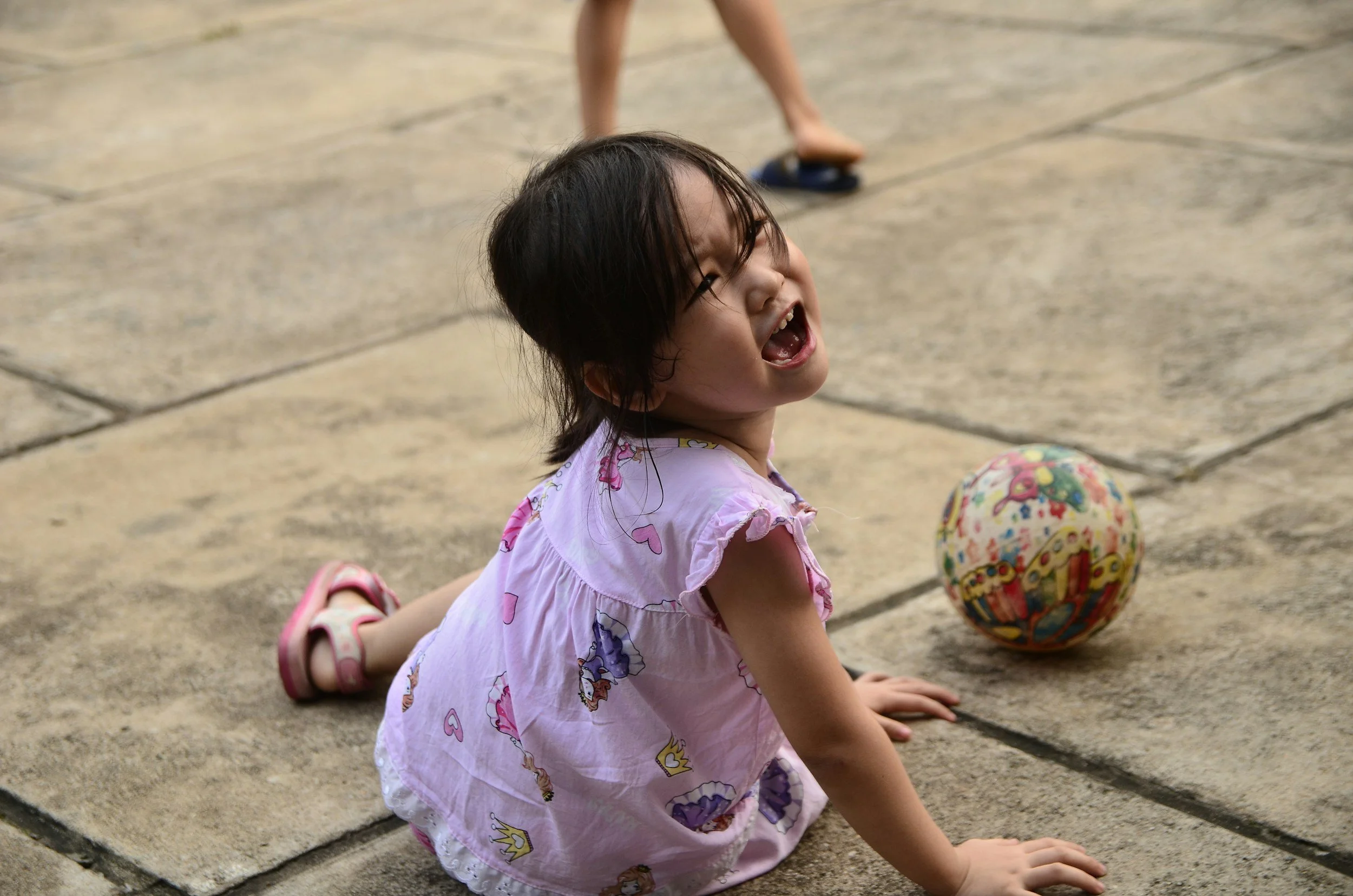
Signs a Child May Benefit from Therapy and Counseling
You might consider therapy for your child if you notice:
Your child’s behavior has changed suddenly or significantly
Emotional outbursts are happening more often or lasting longer
They avoid people, activities, or school
They seem unusually worried, sad, fearful, or angry
They talk about feeling “bad,” “stupid,” or “not good enough”
Sleep or appetite changes without a clear reason
They’ve experienced something stressful or traumatic
You’ve tried usual parenting strategies, but nothing seems to help
A simple rule: if the behavior is affecting daily life or causing concern, therapy is worth considering.
Common Therapy Approaches (Modalities) for Children
Therapists choose methods depending on the child’s age, needs, and personality. Common approaches include:
1. Play Therapy
Uses toys, art, sand, or imaginative play
Helps younger kids express feelings and work through experiences
2. Cognitive Behavioral Therapy (CBT)
Teaches children to understand their thoughts and feelings
Helps them build coping skills, challenge worries, and improve behavior
Often used for anxiety, depression, and behavior concerns
3. Parent–Child Interaction Therapy (PCIT)
Therapist coaches caregivers in real time to improve behavior and strengthen connection
Highly effective for young children with behavior challenges
4. Family Therapy
Focuses on relationships and communication within the family
Helps everyone work together to support the child
5. Trauma-Focused Therapy (TF-CBT or other trauma models)
Helps children process and heal from difficult or scary experiences
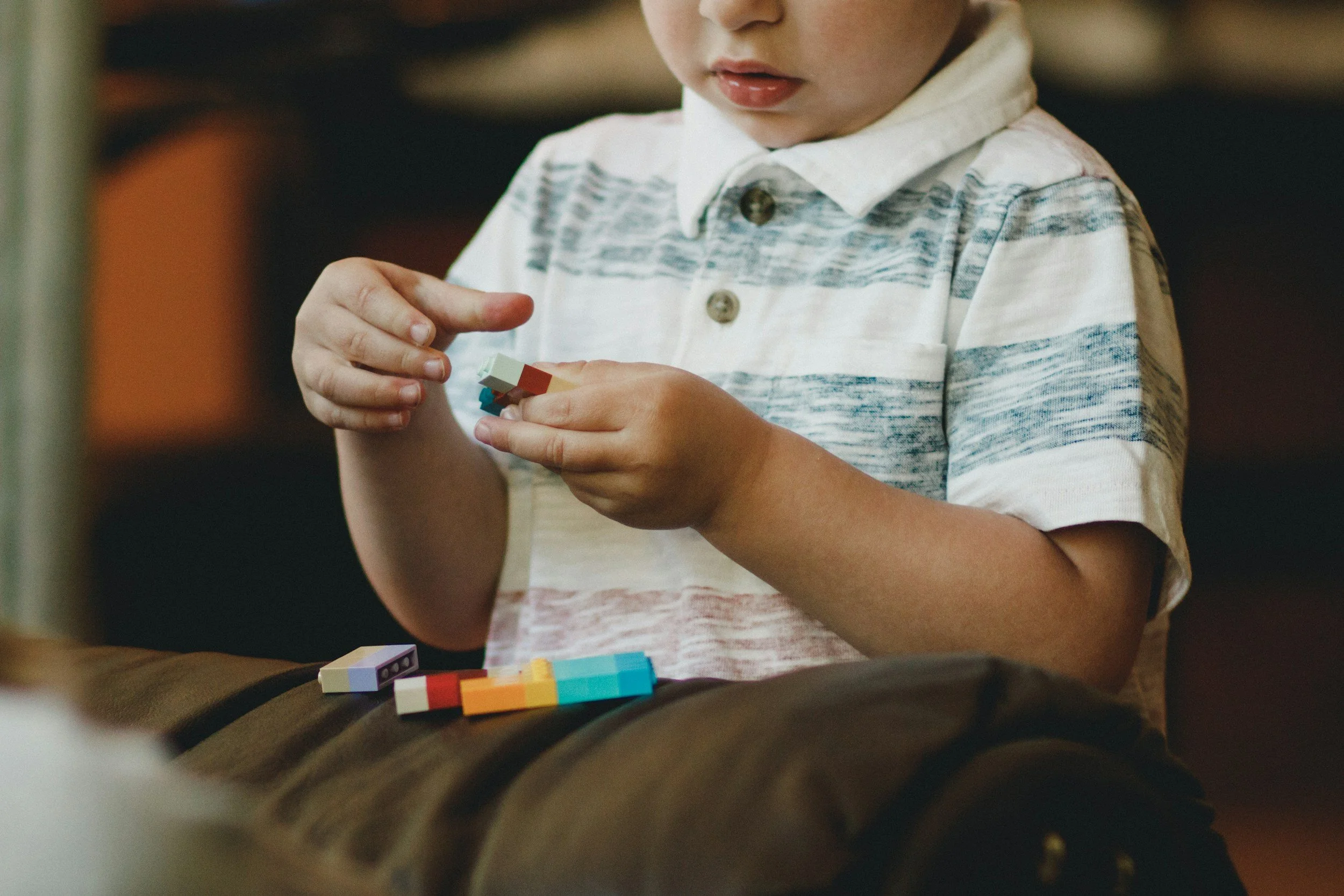
What Does Child Therapy Entail?
Therapy sessions usually involve:
Talking in simple, child-friendly ways
Play activities (like dolls, games, drawing, or sand trays) that help children express feelings safely
Skill-building such as calming strategies or problem-solving
Support for caregivers, so they know how to help their child at home
Therapists create a warm, nonjudgmental space where a child can share things they might not feel comfortable talking about elsewhere.
How Involved Are Caregivers in Therapy?
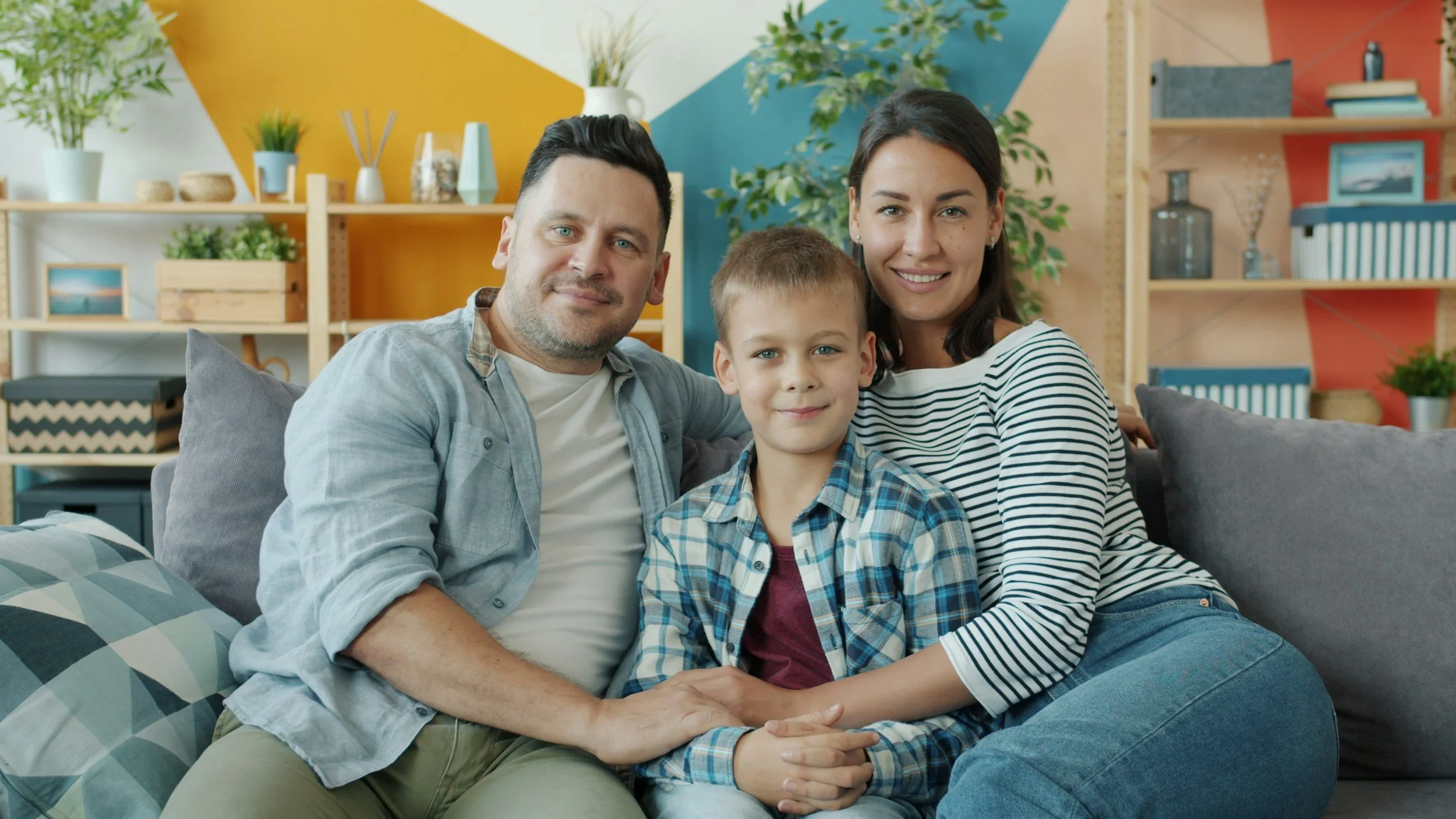
Caregivers are an essential part of the process. Their involvement might include:
Regular check-ins with the therapist- Frequency of check ins will be determined as treatment progresses.
Learning strategies to support the child at home (emotion coaching, behavior tools, communication tips)
Participating in some sessions, especially for younger children
Working collaboratively on goals and progress
Therapy works best when caregivers and the therapist are a team supporting the child.